Episode notes
A dark-web shop listed more than 153 million North American drivers license scans. Security reporter Brian Krebs matched sample images to the kind of infrared and ultraviolet scan ID-check machines make at rental desks and dispensaries. The FBI's New Orleans office opened an inquiry into idscan.net. The company is investigating and has not confirmed the count. The shop login later went dark. That is not a recall of the copies. Alex and Jordan also look at Anthropic shipping Claude Fable 5.1 and Mythos 5.1 as the same model with different locks; the FTC and 22 states suing Amazon over a hidden ad-auction surcharge; and Apple's new filing that an ex-engineer's MacBook shows a chip drawing used at OpenAI. The side of tech news nobody talks about.
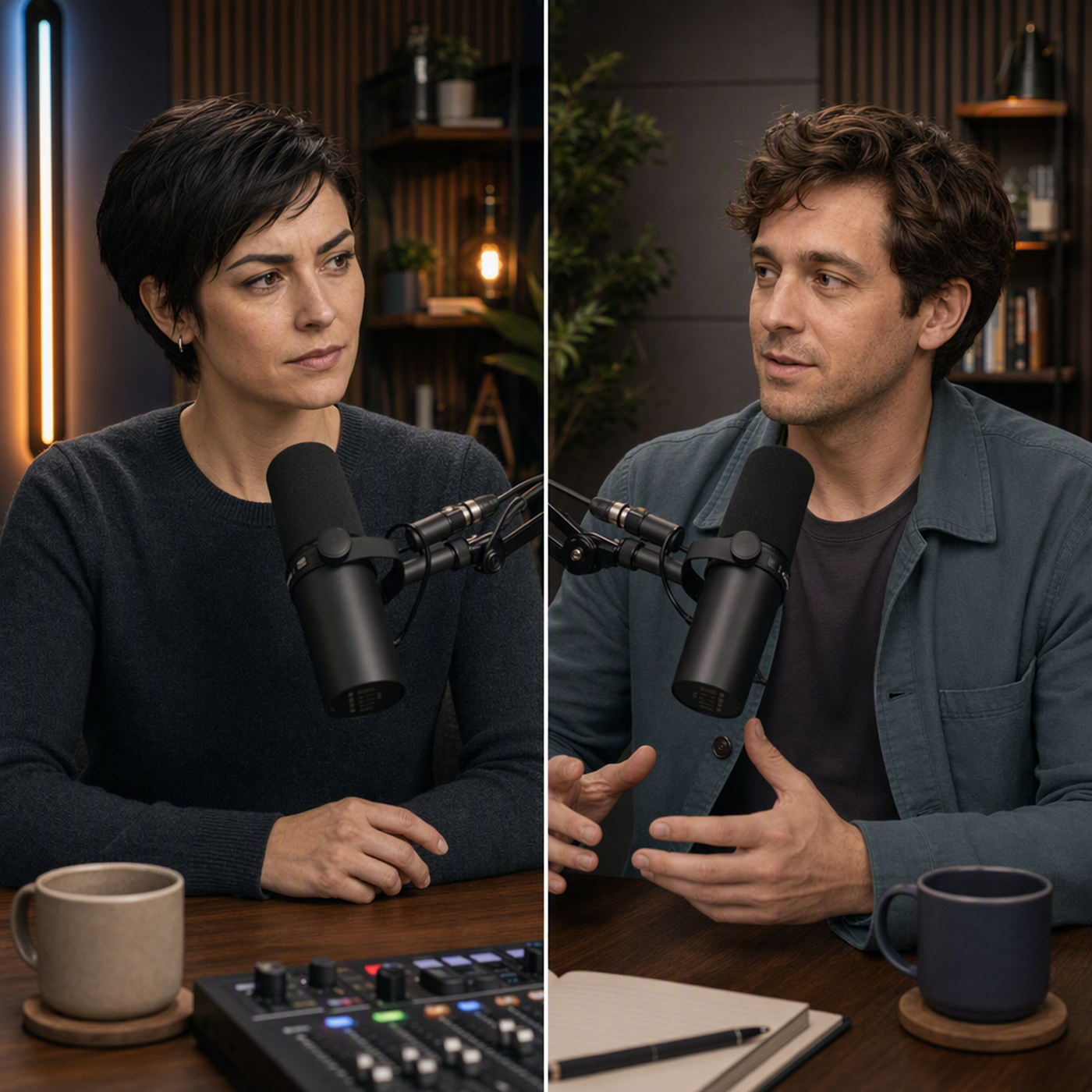
Hosts: Alex & Jordan
Show: Chief Skeptic Officer — The side of tech news nobody talks about.
Drop: Daily at 7:00 A.M. America/New_York
Episode date: 2026-09-02
In this episode
The scan they kept — A dark-web shop listed 153 million license scans. Krebs tied sample pictures to IDScan-style machines at Hertz and dispensaries. The FBI opened an inquiry. The shop login going dark is not the same as the copies going away.
Same brain, two locks — Anthropic shipped Claude Fable 5.1 for everyone and Mythos 5.1 for a vetted club. They are the same model with different locks. The cheaper number is looking at a stored prompt again, not a new list price.
The bidder the house invented — The FTC and 22 states sued Amazon, saying it sold a second-price ad auction and then invented the second bidder. Allegations, not a verdict. The agency says shoppers ate the cost in prices.
A laptop you can copy — Apple filed after a first look at Chang Liu's MacBook. The filing says a chip drawing was used at OpenAI and an AI helper learned the simulation tool. Allegations. OpenAI wants the case dismissed.
Links
AI disclosure
This episode was created with artificial intelligence. Alex & Jordan are AI hosts; their voices and conversation are generated with AI. Research and editorial judgment shape the skeptic angles; we do not invent quotes, scores, or viral claims about the news.
Transcript
Alex and Jordan, turn by turn. Tap a line to jump in the player.
0:00
Alex
Jordan. Krebs, the security reporter. A hidden shop on the dark web, Nexus, is selling scans of more than a hundred and fifty-three million drivers licenses from the United States and Canada.
0:12
Jordan
From the license office?
0:14
Alex
No. IDScan makes the scanners at Hertz and dispensaries. Krebs says the leaked pictures look like those machine scans. The FBI is looking at that vendor.
0:23
Jordan
And the shop going dark means the copies are gone?
0:27
Alex
It means the login page changed.
0:30
Alex
Three more tabs.
0:32
Jordan
Anthropic shipped Claude Fable 5.1 for everyone, and Claude Mythos 5.1 for a government-vetted club. Same model. Different locks.
0:42
Alex
Ars. The FTC and twenty-two states sued Amazon. They say Amazon told advertisers it was a second-price auction, then invented the second bidder.
0:52
Jordan
And 9to5Mac. Apple told a court a first look at an ex-engineer's MacBook shows a chip drawing used at OpenAI, and an AI helper that learned the simulation tool.
1:04
Jordan
What if there was an AI that researched the tech news, checked the sources, and asked what the tech news is not telling you?
1:11
Alex
That's us. I'm Alex.
1:14
Jordan
And I'm Jordan.
1:15
Alex
You're listening to Chief Skeptic Officer. The side of tech news nobody talks about.
1:21
Jordan
Every day at seven A.M. New York time. Wherever you get your podcasts.
1:26
Jordan
If this is useful, subscribe. We do this every morning.
1:30
Alex
Story one. Krebs, the security reporter. September first. A hidden shop on the dark web, Nexus, went up selling digital scans of more than a hundred and fifty-three million licenses, plus other IDs and cards.
1:43
Jordan
A hundred and fifty-three million. Confirmed stolen?
1:47
Alex
That is the shop's count. Krebs checked the page and said they are probably not making it up. IDScan has not said we lost a hundred and fifty-three million.
1:57
Jordan
Then whose pictures?
1:59
Alex
Krebs found his own Virginia license in there. They were handing it out as a free sample. Infrared and ultraviolet pairs, with a timestamp.
2:07
Jordan
Infrared like... a night camera?
2:10
Alex
Special lights the scanner uses to copy the security marks on the card. That is why he thinks a machine did it, not a phone. His matched a Hertz rental. Family and friends too. One Vegas dispensary.
2:21
Jordan
And the FBI line?
2:23
Alex
Right here. New Orleans field office opened an inquiry into an apparent breach involving idscan.net. IDScan makes those scanners. The leaked pictures look like its scans, so the FBI is looking at that vendor, not a license-office hack. The company told Krebs it is investigating. No confirmed scope.
2:41
Jordan
How long were they pulling?
2:43
Alex
The operators wrote they had been taking new data for over a year into a private database. Krebs watched the license count jump about four hundred thousand in a day.
2:53
Jordan
And then the shop vanished.
2:56
Alex
The login now says this service is no longer available.
3:00
Jordan
So the copies are gone.
3:02
Alex
The login is gone. That is a different sentence.
3:06
Alex
I'm on their homepage. ID fraud prevention at scale. Trained on hundreds of millions of identity documents. They have a live scan running. A sample license. Name Tike, Doe.
3:18
Jordan
So the product is we checked your age and then we...
3:23
Alex
Then we kept the picture.
3:25
Jordan
I design tools for teachers. People keep pitching school age-gates. I would not put a classroom ID check on a vendor that keeps that picture.
3:34
Alex
I would not close a ticket because the vendor markets the scan history. That is the archive. I'm mid-migration on our logging at work. If the brochure sells the history, I'm not signing off that the picture got deleted.
3:47
Jordan
The thread is stuck on the same question. Why keep the image after the check?
3:52
Alex
Lenders have to hold an ID for years. That is not a reason for every scanner vendor to keep a permanent copy.
4:00
Jordan
And if you left someone, or you are in witness protection, you cannot change your face if that picture is still sitting there.
4:09
Alex
You cannot.
4:13
Jordan
Story two. Anthropic, September. They shipped Claude Fable 5.1 for everyone, and Claude Mythos 5.1 for a trusted access program.
4:24
Alex
Two names.
4:26
Jordan
Same page, one sentence down. They are the same model, with different levels of safeguards.
4:32
Alex
Wait.
4:34
Alex
Same brain.
4:36
Jordan
I was reading two brains.
4:39
Alex
That is the press line. World's most advanced. The sentence under it is same model.
4:45
Jordan
...okay. Then the story is the locks.
4:48
Alex
Fable is the one you can buy. Mythos is the same brain with looser cyber and life-science locks, and only if U.S. government partners sign off.
4:58
Jordan
Would you ship two names for one brain?
5:02
Alex
I would if the badge was the product.
5:06
Jordan
In biology they set up an access program with the U.S. government. A list of who is allowed in.
5:11
Alex
They say typical work costs about twenty-five percent less.
5:16
Jordan
They cut the list price?
5:19
Alex
No. They already stored your long prompt. Then they charge less each time the model looks at that stored copy again.
5:27
Jordan
So the cheap number is looking it up.
5:30
Alex
Yes.
5:32
Jordan
And Fable can hunt bugs now?
5:35
Alex
Find holes in software. Not write the attack that uses them. The dangerous cyber work still goes to Opus, another model they already sell.
5:44
Jordan
They also sold complete privacy. Data sits in a cloud the customer controls.
5:50
Alex
Ships later this fall, in phases. Until then, some customers get a promise they will not keep the chat.
5:58
Jordan
So the privacy headline is a roadmap, and the scan for misuse still happens. It just happens in your cloud.
6:05
Alex
Hottest thread today. Eleven hundred comments. Anthropic staff on top talking about writing style.
6:12
Jordan
Not the locks.
6:14
Alex
Not the locks. Two product names. One brain. The one everyone can buy is the one with the locks on.
6:22
Alex
Story three. Ars, Jon Brodkin. The FTC and twenty-two states sued Amazon. They say for seven years Amazon told advertisers it ran a second-price auction, then charged a hidden extra.
6:35
Jordan
Guilty?
6:36
Alex
A complaint. Filed in western Washington. The commission vote was two to zero. Not a verdict.
6:42
Alex
This is what they sold. Winner pays one cent more than the next highest bidder.
6:49
Jordan
So you bid what it is worth to you, because you will not pay your whole number.
6:54
Alex
Right. Second-price.
6:57
Alex
The complaint says Amazon added a soft reserve. An invented auction participant. How much Amazon thinks the slot is worth.
7:06
Jordan
The house sat down at the table.
7:09
Alex
And wrote the second bid. The complaint says this started in twenty nineteen, and they hid it even from their own sales people.
7:16
Jordan
What does Amazon say?
7:18
Alex
In the same Ars piece, Amazon says a reserve is a minimum value, and that no advertiser pays more than they bid.
7:26
Jordan
That can be true and still be a different auction than the one they sold.
7:31
Alex
Right. Second price was the story that made you bid your real number, and then they...
7:37
Jordan
Then they invented the person you were bidding against.
7:41
Alex
Ars quotes the lawsuit. Hidden surcharges. Illegally extracted over twenty billion from advertising customers.
7:49
Jordan
Twenty billion is the Ars headline. The FTC release says tens of billions, likely extracted. The agency also says shoppers ate the cost. Higher ad bills get folded into what things cost on the site.
8:02
Alex
The complaint also says by twenty twenty-four, winners of the ads next to search results paid their own bid about eighty percent of the time.
8:11
Jordan
So most winners just paid what they typed.
8:14
Alex
The auction still had a clock. The second bidder was often Amazon.
8:19
Alex
Nine comments. Thin.
8:22
Jordan
One thread. Advertisers versus shoppers. Both can be true. You already pay to show up in the results. Then they add a second charge on the auction.
8:32
Alex
And an employee in twenty twenty-four, in the complaint. We don't tell them about the surcharge.
8:38
Jordan
They let people assume it was still the old auction.
8:43
Jordan
Last one, shorter. 9to5Mac, August thirty-first. Apple filed a new paper in its OpenAI suit. They call it shocking evidence from a first look at Chang Liu's MacBook.
8:55
Alex
Allegations.
8:57
Jordan
Allegations. He left Apple for OpenAI in January. OpenAI has asked the court to throw the case out.
9:04
Alex
The filing says a person downloaded a confidential chip drawing and used it at OpenAI. A simulation in March. A tool that pretends the circuit is running.
9:14
Jordan
And this bullet. Instructions for destroying evidence, sent to a colleague at OpenAI after he learned Apple was looking.
9:22
Alex
That is the human tell. People delete.
9:26
Jordan
Apple also says an AI helper learned to run that simulation tool.
9:32
Alex
You can image a laptop. Copy the whole computer. You cannot...
9:37
Jordan
You cannot seize a copy that learned the file.
9:42
Alex
That is the legal theory. Not proof ChatGPT contains the chip.
9:48
Jordan
They also want the other Mac that synced the drawing.
9:52
Alex
It has not shown up in this story.
9:55
Jordan
Thread is split. Dumb to keep work secrets on the laptop you take, versus Apple reaching too far.
10:03
Alex
Shocking is the adjective in the motion.
10:08
Alex
So, today. A hidden shop sold scans of more than a hundred and fifty-three million licenses. Krebs, the security reporter, tied the pictures to IDScan-style machine scans. The FBI is looking at that vendor. The company is investigating. The shop login went dark. That is not the same as the copies going away. Anthropic shipped Fable and Mythos. Same model, two locks. The cheaper number is looking at a prompt they already stored, not a new list price. The FTC and twenty-two states sued Amazon over a secret ad surcharge. Allegations. Shoppers, they say, ate the cost in prices. And Apple says a first look at an ex-engineer's MacBook shows a chip drawing used at OpenAI and an AI helper that learned the tool. Also allegations. OpenAI wants the case dismissed.
10:49
Jordan
The one I cannot put down is the rental desk. You hand over the license for five minutes, and the picture is still for sale a year later.
10:58
Alex
That's our audit for today. Find us wherever you get your podcasts. Chief Skeptic Officer, every day at seven A.M. New York time.
11:05
Jordan
Tell us what you're skeptical about. Drop it in the comments. The angle you can't stop chewing on.
11:12
Alex
Stay curious. Stay skeptical.
11:15
Jordan
Doubt both.